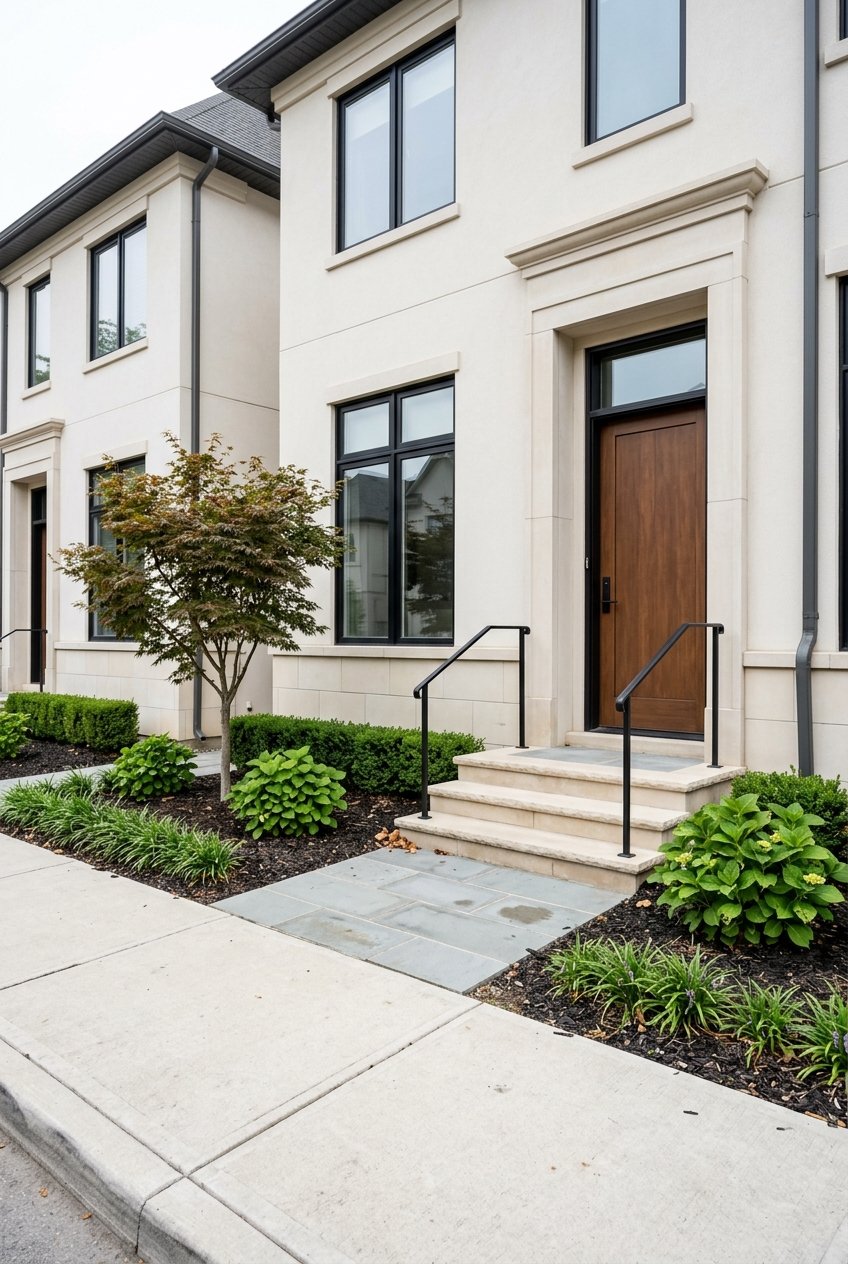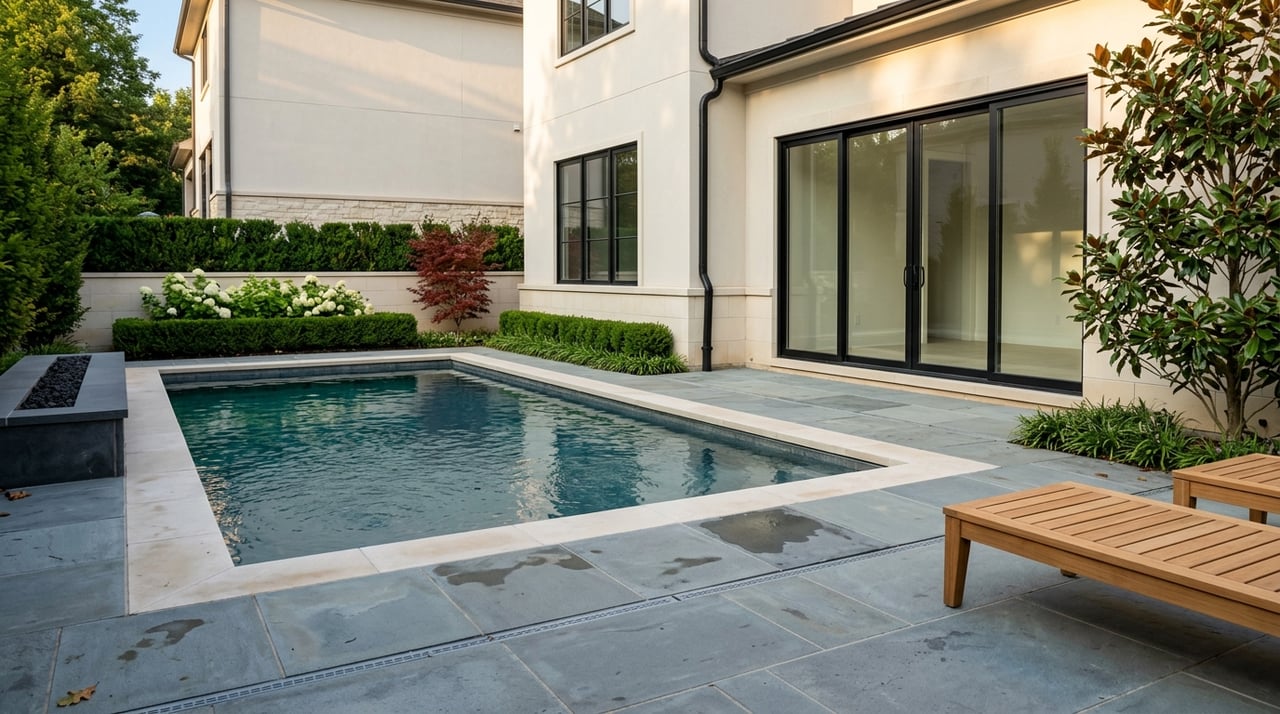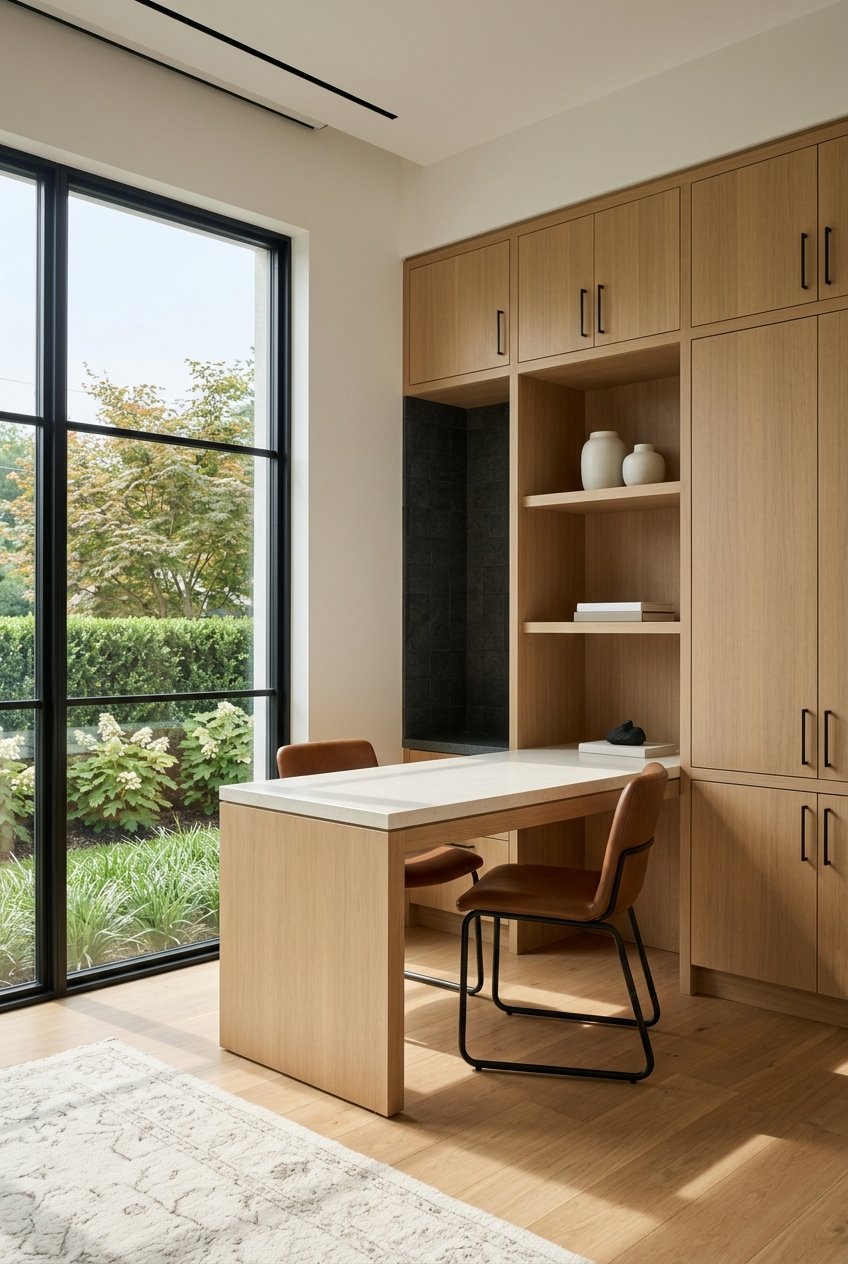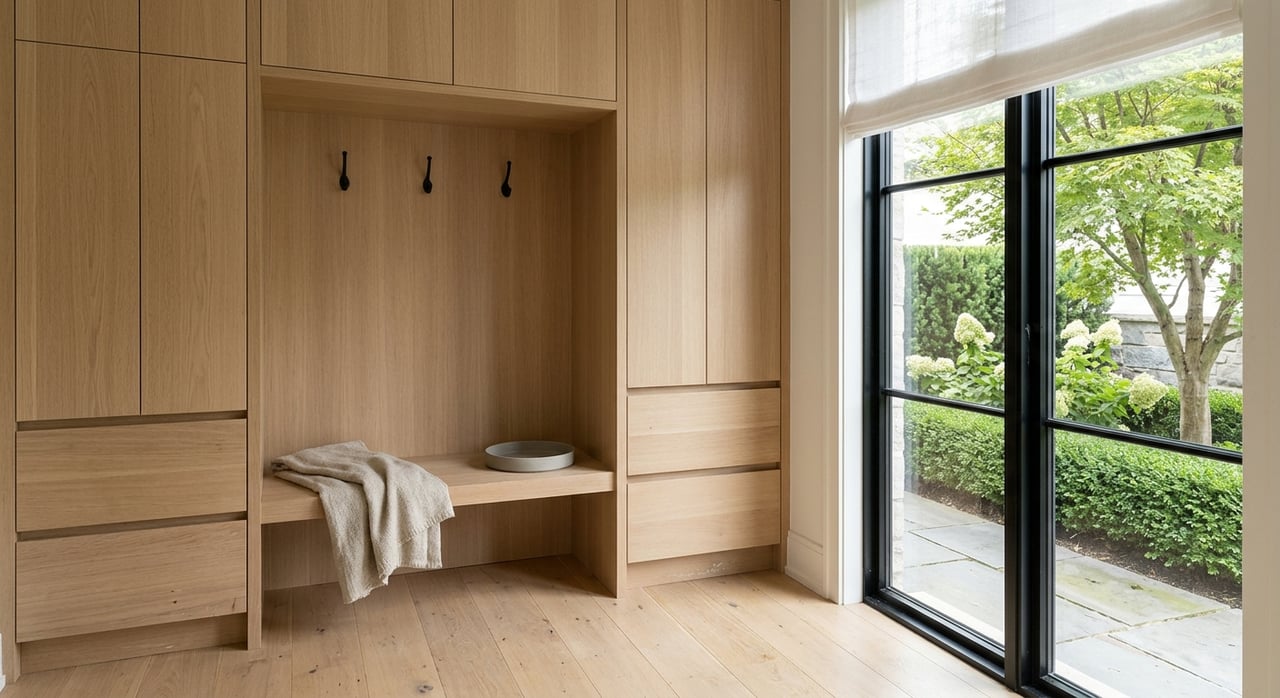
Thinking about a smaller home but worried you’ll have to leave Sandy Springs to make it happen? You are not alone. For many homeowners, downsizing is less about giving something up and more about choosing a home that fits how you live now. If you want less maintenance, lower day-to-day strain, and a smart plan for your next move, this guide will help you think through what downsizing looks like in Sandy Springs single-family homes. Let’s dive in.
Why downsizing makes sense here
Sandy Springs is a strong place to think about a right-size move because many households are already living with relatively small household sizes. The city had an estimated 105,013 residents and 51,647 households in July 2025, with 2.06 persons per household. About 14.3% of residents were age 65 or older, which makes this a very relevant conversation for empty-nesters and later-life homeowners.
Downsizing here is also shaped by the city’s housing pattern. Sandy Springs says its protected neighborhoods are low-density single-family residential areas where existing lot sizes, setbacks, and tree canopy are intended to be preserved. That means your next move may not be about leaving single-family living behind, but finding a home that is easier to maintain within a city that still has a strong single-family character.
What downsizing really means
Downsizing does not always mean buying the smallest house possible. In many cases, it means choosing a home that works better for your current routine, budget, and long-term plans. You may want fewer rooms to clean, less yard work, or a layout that feels simpler to use every day.
A smart move focuses on usability, not just square footage. The better question is whether the next home gives you the right amount of space for guests, hobbies, storage, and everyday comfort without asking you to maintain more than you need.
Start with your daily lifestyle
Before you compare properties, get clear on what you want to change. If your current home feels too large, think about what is actually creating stress. It may be stairs, a large yard, rooms you rarely use, or storage spread across too many spaces.
A practical downsizing checklist often includes:
- Less exterior upkeep
- A smaller or easier-to-manage yard
- Rooms that are simple to use every day
- Enough storage for seasonal items and hobbies
- Space for occasional guests without carrying unused square footage year-round
When you look at homes through that lens, your decision becomes much easier. You are not just shopping by bedroom count. You are matching a property to your real routine.
Compare lot size and upkeep
In Sandy Springs, the outside of the property matters just as much as the inside. If your goal is lower maintenance, the lot size and site layout deserve close attention. A beautiful home can still feel like too much work if the yard, driveway, or tree-heavy lot requires constant care.
The city’s zoning tools can help you evaluate this more clearly. Sandy Springs provides tools that let you check a property’s zoning district, character area, permitted uses, and dimensional standards. Those standards include minimum lot sizes, minimum lot widths, setbacks, and height limits, which can be very useful when you are trying to compare a larger homesite with a more manageable one.
Stay local without starting over
One of the biggest concerns sellers have is whether downsizing means leaving the community they know. In Sandy Springs, the answer is often no. The city’s planning approach preserves low-density single-family neighborhoods while directing more intense growth to corridors and centers such as Roswell Road and City Springs.
That creates flexibility for homeowners who want a different kind of property while staying local. You may be able to reduce maintenance, shorten errands, or improve convenience without giving up your familiarity with the city.
Look for convenience beyond the lot line
A smaller home often works best when the area around it helps support your lifestyle. In Sandy Springs, City Springs is one of the clearest examples of that. The 14-acre mixed-use district includes City Hall, the Sandy Springs Performing Arts Center, the Conference Center at City Springs, the City Green, nearby restaurants, exercise boutiques, apartment homes, and year-round programming.
The Sandy Springs Farmers Market also runs there on Saturday mornings. For a downsizer, that kind of activity hub can make it easier to trade private yard space for nearby amenities and regular community activity.
Trade yard work for green space
If you love being outdoors but do not love maintaining a large yard, local parks can become part of your housing decision. Sandy Springs says it has more than 950 acres of parkland across 16 parks and more than 20 miles of Chattahoochee River shoreline. That gives you options for walks, fresh air, and recreation without putting all that maintenance on your own property.
This is one of the most overlooked parts of downsizing. When nearby public space meets your outdoor needs, a smaller lot can feel like a lifestyle upgrade rather than a compromise.
Consider access and transportation
Convenience is not only about parks and restaurants. It also includes how easily you can move around the city and connect to the metro area. MARTA says North Springs is the last station on the Red Line, with parking decks of more than 2,300 spaces, Zipcar access, and local and regional bus connections.
That matters if you want a home that supports flexibility over time. The city’s Roswell Road Access Management Plan also focuses on safer access, sidewalk gaps, medians, and improved connectivity along a corridor that serves restaurants, retail businesses, government facilities, and residential communities.
Keep healthcare access in view
For many homeowners, downsizing is partly about planning ahead. Sandy Springs offers a notable level of healthcare access within the city. The city says 40% of available hospital beds in metro Atlanta are located within Sandy Springs, including Northside Hospital, Emory Saint Joseph’s Hospital, and Children’s Healthcare of Atlanta at Scottish Rite.
That does not mean healthcare is the only factor to consider, but it can be an important one. If you are thinking long term, proximity to major medical facilities may be part of what makes a local move feel more practical.
Review the full cost of the next home
A smart downsizing plan looks beyond the purchase price. In Sandy Springs, median owner-occupied home value was $619,800, and median monthly owner costs were $2,814 with a mortgage and $1,127 without a mortgage. Those figures are a reminder that the total carrying cost of the next home matters just as much as the sale and purchase numbers.
You will want to think about insurance, taxes, utilities, maintenance, and any needed updates. A smaller home is not automatically cheaper in every category, so it helps to compare the full monthly picture before you make a move.
Do not overlook homestead exemption timing
Property tax planning is an important part of a downsizing move in Fulton County. The Board of Assessors says homestead exemptions apply to owner-occupied primary residences. Applications can be filed year-round, but they must be submitted on or before April 1 to apply for the current tax year.
There is another detail that matters when you sell one home and buy another. Fulton County says that if the deed changes, the exemption is removed and the owner must re-file. If you are moving from one Sandy Springs primary residence to another, treat the new home as a fresh filing situation and review that step early.
Decide if moving beats remodeling
Not every downsizing goal requires a sale. Some homeowners want to stay in place but make the home easier to use and maintain. In Sandy Springs, that can be a real option because the city requires a residential building permit when a property owner constructs, alters, enlarges, or repairs a building or accessory structure.
The city also lists interior remodels, additions, decks, generators, and similar work on its permit page. So if your ideal outcome is fewer barriers, a better layout, or more functional space, remodeling may be worth comparing against the cost and effort of moving.
Signs it may be time to right-size
If you are unsure whether now is the right time, a few common signs can help clarify the answer.
You may be ready to downsize if:
- You regularly avoid parts of your home because they are hard to maintain
- Your yard feels more like a chore than a benefit
- You want lower day-to-day upkeep
- You need a layout that works better for your current stage of life
- You want to stay in Sandy Springs but live more simply
How to approach the move strategically
A good downsizing plan starts with clarity. First, define what you want your next home to do better than your current one. Then compare homes based on maintenance, layout, carrying costs, lot size, and access to the places you use most.
If you are selling a Sandy Springs single-family home, presentation and pricing matter just as much as your next purchase. A well-planned transition can help you protect value on the sale side while making sure the replacement home actually improves your lifestyle.
If you are weighing a right-size move in Sandy Springs, the goal is not simply to go smaller. It is to make your next chapter easier, more efficient, and better aligned with how you live now. If you want a thoughtful plan for selling, buying, or comparing a move against a remodel, Tommy Nguyen can help you navigate the process with clear guidance and hands-on support.
FAQs
Can you downsize and stay in Sandy Springs?
- Yes. Sandy Springs preserves many low-density single-family neighborhoods while directing more intense growth to corridors and centers, so a local right-size move is often possible.
What matters most when comparing Sandy Springs homes for downsizing?
- Focus on lot size, yard upkeep, room usability, storage, and the property’s zoning and dimensional standards such as setbacks and minimum lot dimensions.
Do you need permits to remodel a Sandy Springs home instead of moving?
- Yes. Sandy Springs requires residential building permits for many projects, including alterations, enlargements, repairs, interior remodels, decks, and generators.
What happens to a Fulton County homestead exemption when you buy a new home?
- The exemption is tied to your owner-occupied primary residence, and Fulton County says it is removed if the deed changes, so you must re-file for the new home.
Why do carrying costs matter when downsizing in Sandy Springs?
- A smaller home does not automatically mean lower total costs, so you should compare monthly owner costs, taxes, maintenance, utilities, and other ongoing expenses before deciding.