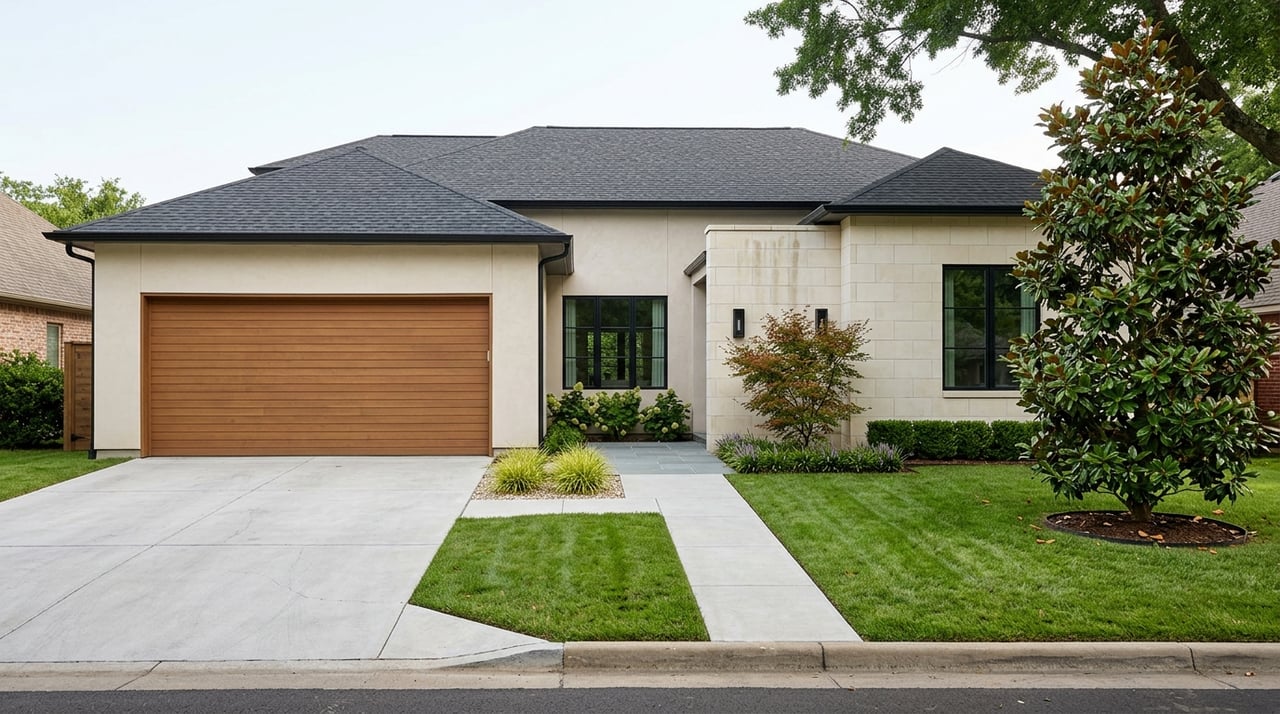
Are you weighing new construction or a resale in Marietta and not sure which path fits your timeline and budget? You are not alone. The choice affects your monthly costs, commute, and how much work you want to do after closing. In this guide, you will learn how the two options compare in Marietta, from costs and timelines to warranties and neighborhood trade-offs, plus a quick checklist to help you decide with confidence. Let’s dive in.
Marietta factors that shape your choice
Marietta offers both established in-town neighborhoods and newer subdivisions on the edges of the city and in unincorporated Cobb County. Infill lots closer to the Marietta Square often include higher lot premiums for new builds, which can push pricing above nearby resale homes.
Your daily commute also matters. Key routes include I-75, I-575, I-285, GA-120, and US-41. Travel times vary by time of day and route choice, so test your commute if possible and review regional transportation data from local planning agencies.
Neighborhood rules and fees can differ. Many newer communities include homeowners associations with covenants and assessments. Resale properties in older areas may or may not have an HOA, so confirm details before you write an offer.
Upfront and ongoing costs
New construction often carries a purchase premium for brand-new systems, current building codes, and customization. In in-town Marietta, the lot premium alone can make a new build cost more than a nearby older home on the same street.
Budget for options. Builders price a base home and then offer structural choices and finish upgrades. A realistic rule of thumb is to plan for 10 to 30 percent above the base price if you want higher-end finishes or layout changes.
Closing costs can differ. Builders sometimes charge administrative or document fees and may offer closing-cost help or rate buydowns through preferred lenders. In resale, you typically see standard title, appraisal, and lender fees, and you may negotiate seller-paid concessions depending on market conditions.
Operating costs may be lower in a new home in the early years. New builds tend to include higher-efficiency HVAC, code-compliant insulation, and LED lighting, which can reduce utility spend and maintenance. Resale homes may need near-term capital items like roofs, HVAC replacements, or updates to older systems.
How fast can you move
If speed is your priority, resale usually wins. Most resale transactions close within about 30 to 60 days after going under contract, depending on financing, inspections, and appraisals.
New construction timelines vary by stage. A finished or near-finished spec home can close in weeks to a few months. If a builder is starting from the slab or ground, plan for roughly 4 to 12 months, and complex custom work can take 12 to 18 months or more. Infill sites inside the city can add time for grading, tree permits, and stormwater requirements.
Warranties and post-closing protection
Most builders follow a common 1-2-10 model, though your contract controls the exact terms. You typically see one year for workmanship and materials, two years for major systems coverage, and ten years for structural items through a third-party administrator. Coverage, claims, and transfer rules vary, so get the warranty in writing and read the exclusions.
Resale homes are usually sold as is aside from disclosures and negotiated repairs. Your protection comes from thorough inspections, clear contingencies, and any agreed repairs or credits before closing.
Inspections you should not skip
For new construction, schedule staged inspections. A pre-drywall inspection can catch installation errors that are hard to fix later. Before closing, complete a punch-list walk and a final independent inspection to document remaining items for warranty claims.
For resale, order a full home inspection and any needed specialty inspections, such as termite and pest, septic or sewer, chimney, and HVAC. Use the findings to negotiate repairs or credits during your due diligence period.
Negotiation dynamics
Builders tend to negotiate through incentives rather than deep base-price cuts, especially larger production builders. Your best leverage points are closing-cost help, rate buydowns, appliance packages, or upgrade credits. Builder contracts can include nonstandard items such as arbitration clauses, deposit schedules, and limited inspection or financing contingencies, so have an experienced agent review them with you.
With resale, negotiation focuses on price, inspection repairs, closing date, and contingencies. In a multiple-offer scenario you may need to tighten timelines and increase earnest money. In a slower market you can often secure concessions or repairs to offset future costs.
Financing differences
New construction can involve construction-to-permanent loans or standard mortgages if you buy a finished spec home. Builders often offer preferred lender programs with incentives. Compare the full cost, not just the advertised rate, and confirm rate lock periods align with the build timeline.
Resale purchases typically use conventional, FHA, VA, or other standard mortgage products. Appraisals rely on recent comparable sales, so be ready to discuss comps and condition with your lender and appraiser if needed.
Commute and neighborhood trade-offs
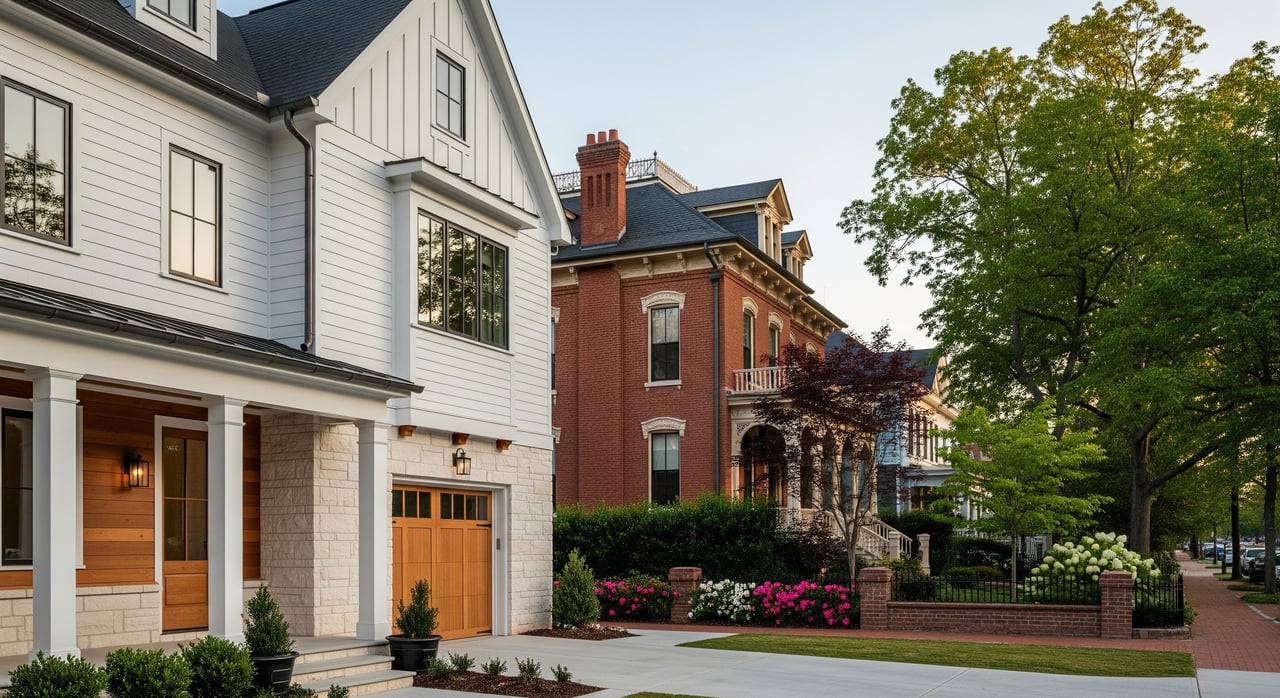
If you value proximity to shops, restaurants, and events near the Marietta Square, a resale home in an established in-town area may fit your lifestyle. These locations can offer mature trees and shorter drives to local employers, depending on your route.
Newer subdivisions often sit farther from the core, which can add drive time to central Atlanta or regional job centers via I-75, I-575, or I-285. In exchange, you may get newer infrastructure, modern floor plans, and community amenities. School zoning can differ across locations, so verify district boundaries directly with the appropriate authorities.
Decision framework: when new or resale fits you
Choose new construction if you:
- Want to personalize layout and finishes before move-in.
- Prefer lower near-term maintenance with warranty support.
- Can wait several months or found a quick move-in spec home.
- Value energy-efficient systems and modern building codes.
Choose resale if you:
- Need to move within 30 to 60 days.
- Prefer established neighborhoods near in-town amenities.
- Want a known purchase price with flexibility to renovate over time.
- Seek negotiation room on price, repairs, or concessions.
Quick buyer checklist
Time to move in
- New: verify stage, from weeks for specs to 12+ months for full builds.
- Resale: typically 30 to 60 days after contract.
Customization
- New: high, with structural and finish options.
- Resale: renovate after closing if desired.
Initial maintenance
- New: lower, with warranty coverage for many items.
- Resale: variable, inspections are crucial.
Warranty
- New: confirm 1-2-10 coverage details in writing and transfer rules.
- Resale: no builder warranty, rely on inspections and disclosures.
Negotiation levers
- New: upgrades, closing help, rate buydowns, lot credits.
- Resale: price, repairs, contingencies, closing date.
Inspections
- New: pre-drywall, punch list, final independent inspection.
- Resale: general home plus termite, septic, chimney, HVAC as needed.
Financing
- New: construction-to-perm or standard for specs, preferred lender incentives.
- Resale: conventional, FHA, VA, or other standard options.
HOA and covenants
- New: likely HOA with developer covenants and assessments.
- Resale: varies by neighborhood, review CC&Rs and budgets.
Taxes and assessments
- New: assessed value may rise as the home is completed; verify with the county.
- Resale: review current assessed value, tax history, and exemptions.
What to verify locally in Cobb County
Builder credibility and documents
- Check the builder’s track record, references, and complaint history.
- Confirm permits, passed inspections, and the certificate of occupancy before closing.
- Get the full sales contract, options list, and warranty booklet with claim procedures and exclusions.
- Ask for any energy rating documentation, such as a HERS score, if available.
Preferred lender incentives
- Request a plain-language summary of incentives and requirements. Compare with outside lenders.
Site work and responsibilities
- Clarify grading, stormwater, driveway, and landscaping timelines and who is responsible.
Resale due diligence
- Order a comprehensive home inspection and any needed specialty inspections.
- Review seller disclosures, recent utility bills, maintenance records, and any termite bonds.
- Obtain HOA covenants, fees, budgets, and recent meeting minutes when applicable.
Taxes and fees
- Confirm current property tax assessments and potential changes after closing with county offices.
- Ask your closing attorney or title company to outline recording and other closing fees in advance.
Putting it together
In Marietta, the right choice comes down to your timeline, budget control, commute, and how much customization you want before move-in. New construction offers modern design, efficiency, and warranties, especially if you can wait or find a quick move-in spec. Resale gives you speed, established neighborhoods, and negotiation flexibility, with inspections guiding repair credits or updates.
If you want a calm, data-informed path through either option, reach out for trusted guidance. From comparing comps and commute patterns to reviewing builder contracts and coordinating inspections, you can have a clear plan and a smooth close. Ready to explore both paths with a local expert? Connect with Tommy Nguyen for boutique, concierge-level representation across Marietta and greater Atlanta.
FAQs
What are typical new construction timelines in Marietta?
- Finished or near-finished spec homes can close in weeks to a few months, while ground-up builds often take about 4 to 12 months and complex custom projects can extend to 12 to 18 months or more.
How do builder warranties usually work in Georgia?
- Many builders use a 1-2-10 model for workmanship, systems, and structural coverage, but terms and transferability depend on the contract, so review the written warranty and exclusions before you sign.
Are HOAs common with new subdivisions in Marietta?
- Yes, many new communities include HOAs with covenants and assessments; confirm fees, rules, and any planned amenities in writing before making an offer.
How do costs and incentives differ for new vs resale homes?
- New builds may include builder fees and offer incentives like closing-cost help or rate buydowns, while resale typically involves standard closing costs with the chance to negotiate price, repairs, or concessions.
What inspections should I order for a new home versus a resale?
- For new construction, schedule pre-drywall and final independent inspections plus a punch-list walk; for resale, complete a full home inspection and add termite, septic or sewer, chimney, and HVAC inspections as needed.
How does commute factor into choosing location in Marietta?
- In-town areas can offer shorter drives to local amenities, while fringe subdivisions may add time using I-75, I-575, I-285, GA-120, or US-41; test your routes during typical commute hours to confirm.