If your ideal weekend includes coffee on the patio, an easy run to the boat ramp, and dinner in a walkable downtown, Buford deserves a closer look. For many buyers, the appeal is not just Lake Lanier itself, but how naturally lake access fits into daily life here. This guide will help you understand what living in Buford feels like, what kinds of homes you may find, and what practical tradeoffs to weigh before you buy. Let’s dive in.
Why Buford Stands Out
Buford offers a lifestyle that blends suburban convenience with regular access to outdoor recreation. The city had an estimated population of 18,642 in 2024, and local planning materials connect its identity closely to Lake Lanier, including the fact that the city receives its water from the lake, according to the U.S. Census Bureau and Buford planning documents.
That lake connection is more than branding. The U.S. Army Corps of Engineers describes Lake Lanier as a 39,000-acre recreation resource with 76 boat ramps, 10 marinas, more than 690 miles of shoreline, and over 100 islands. If you want a home base that makes boating, fishing, and time on the water feel accessible, Buford checks an important box.
Lake Life in Buford
For buyers focused on recreation, Buford offers meaningful proximity to the lake rather than just a nearby map pin. The city’s comprehensive plan identifies access points such as Big Creek Park, Lazy Days Park and Marina, and Buford Dam Park, while the city also lists Lake Lanier boat ramps within city limits.
The scale of recreation around the lake helps explain the local draw. The Corps operates 33 day-use park areas and 7 campgrounds around Lake Lanier, which supports a wide range of weekend options beyond boating alone.
That said, it helps to approach lake living with a practical mindset. The Corps notes that while most ramps are open year-round, some can close when water levels are low, as explained on its Lake Lanier boating information page. If routine lake days are part of your buying goal, you will want to think about flexibility, seasonality, and how close you want to be to your preferred launch point.
Daily Life Beyond the Water
A big part of Buford’s appeal is that life here is not limited to the lake. Downtown Buford adds another layer to the lifestyle, with historic buildings now home to restaurants, shops, galleries, and community events, according to the city’s shopping and entertainment page.
If you like having options close to home, Buford gives you a mix of small-city character and larger retail access. The Buford Community Center highlights that the Mall of Georgia is only minutes away, with more than 225 stores and restaurants, while downtown continues to host Main Street concerts and festivals.
For everyday recreation, the city also maintains a broad park system. Buford’s parks inventory includes Legion Fields, Sawnee Avenue Tennis Courts, Youth Sports Complex, City Park Gym, Community Center Town Park, Main Street Park and Amphitheater, and the Garnett Street Walking Trail.
This variety matters when you are choosing where to live. You are not just buying a house. You are choosing how easy it feels to take a walk, spend time outdoors, meet friends downtown, or head out for a quick errand without driving across the region.
What Homes Buyers May Find
Buford’s housing options are more varied than many buyers expect. According to the city’s comprehensive plan, Buford has added 15 new residential developments and 463 new housing units since the prior plan, with newer permits concentrated on the north and south sides of town.
At the same time, older single-family neighborhoods remain part of the local housing picture, especially near downtown and along Hamilton Mill Road, Thompson Mill Road, and South Bogan Road. That gives buyers a range of settings to explore depending on whether you value established surroundings, newer construction, or easier access to key roads.
The city’s planning documents also point to a broader mix of housing choices over time. Downtown is envisioned as a district that includes residential units, offices, restaurants, small-scale shops, and cultural facilities, while recent development has included townhomes and a park next to Lanier Harbor Marina to expand lake access.
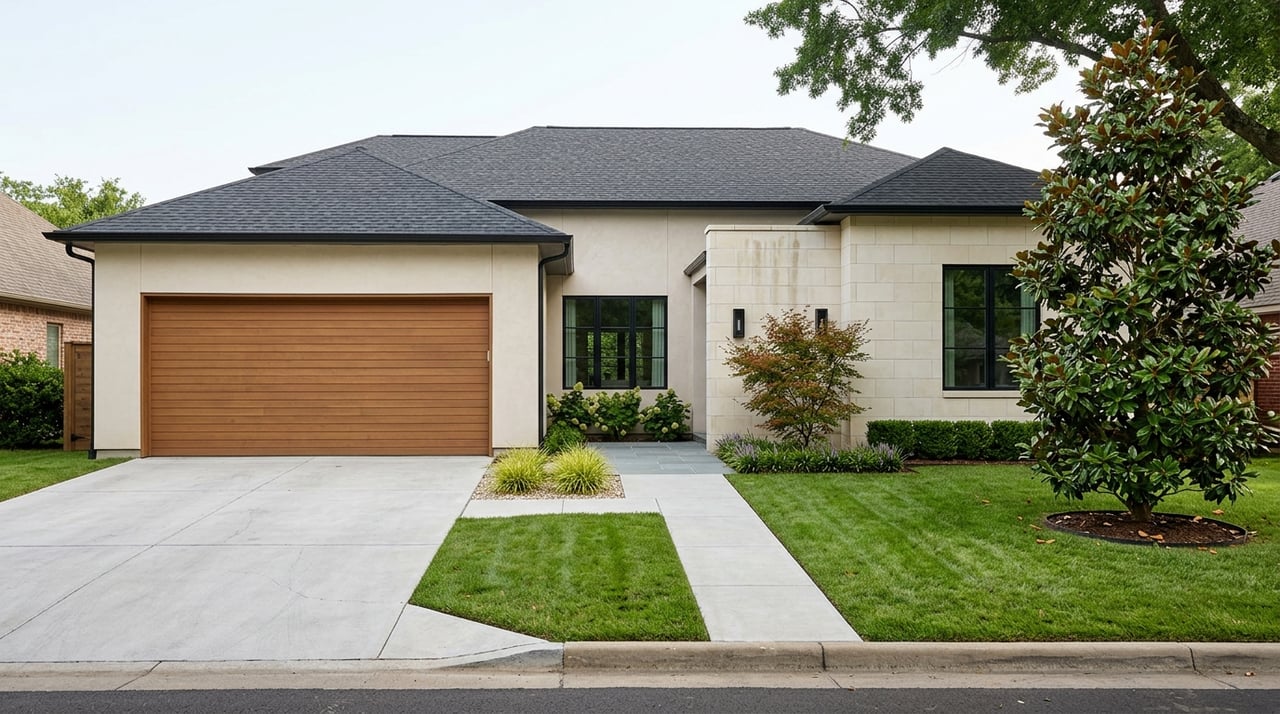
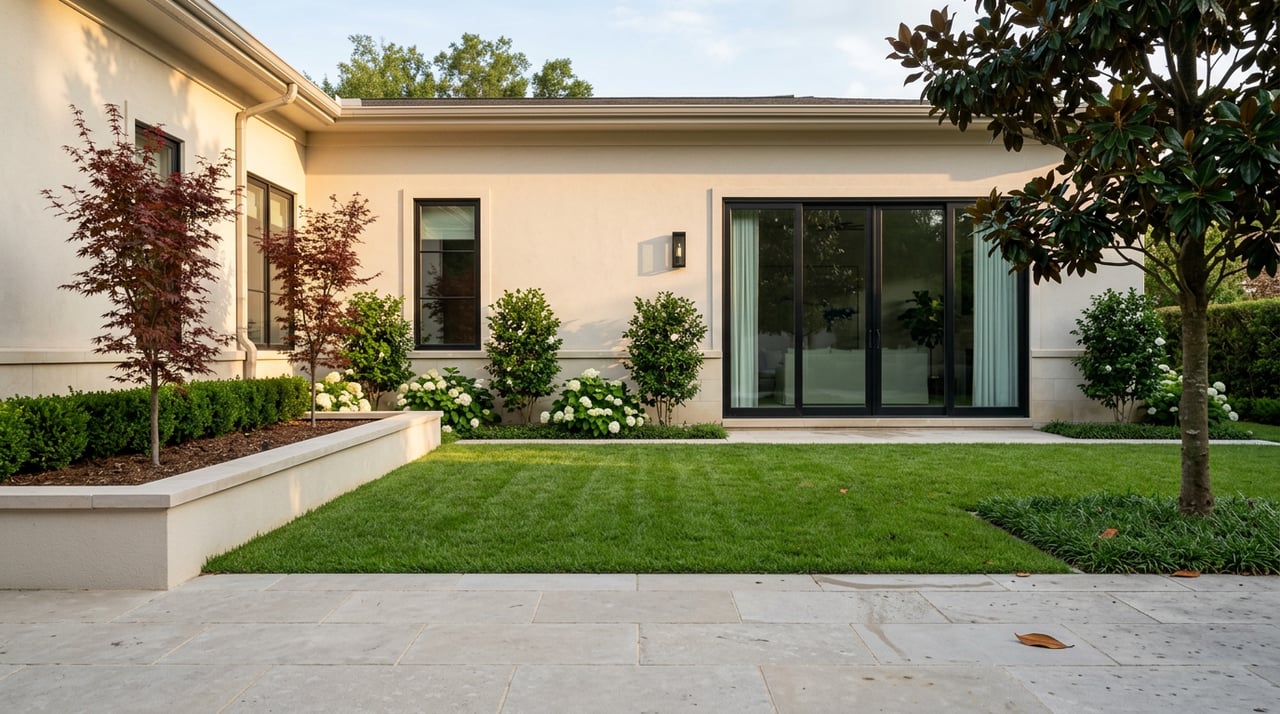
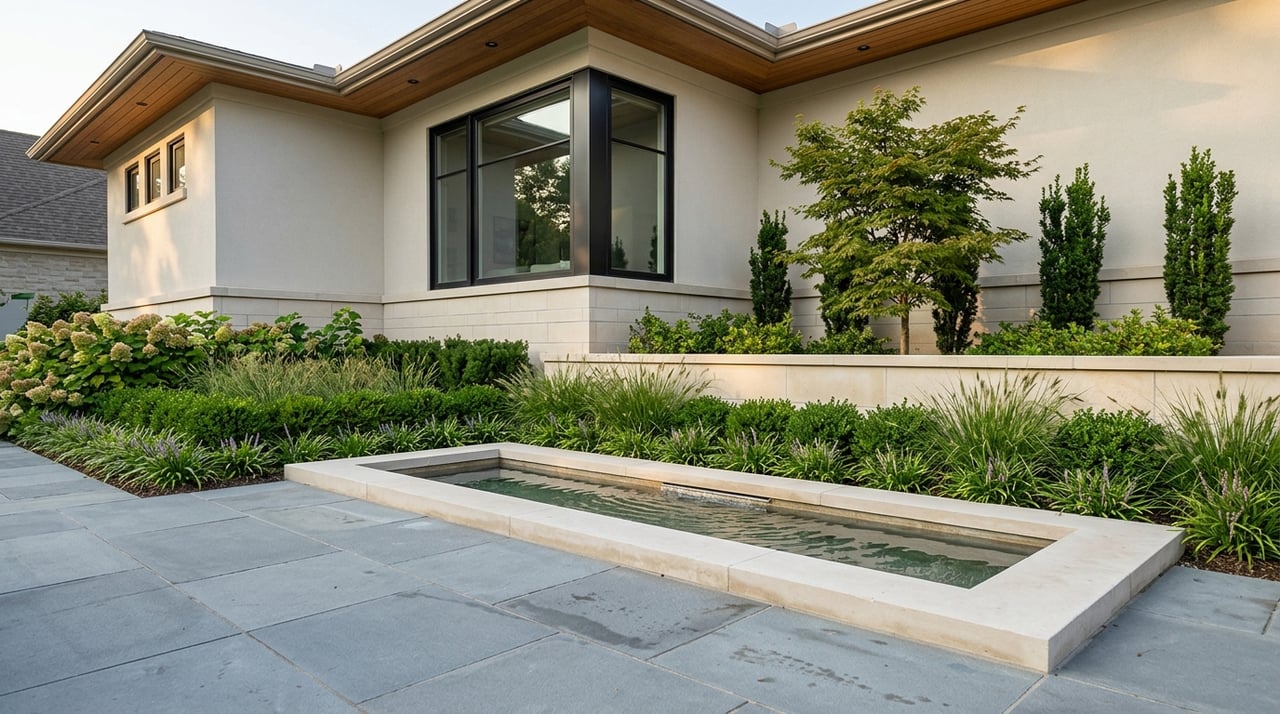
For buyers drawn to the water, lakeside neighborhoods are described in the city plan as mostly single-family homes with a mix of year-round and vacation residences. That does not mean every home delivers the same lake experience, but it does mean you can find options that align with different priorities, from full-time living to a more recreation-focused setup.
Buford Housing Snapshot
If you want a quick sense of the numbers, current census data helps frame the market. The latest Buford QuickFacts report an owner-occupied housing rate of 68.2%, a median owner-occupied home value of $368,700, and a median gross rent of $1,357.
These figures are best used as context, not as a substitute for current listing-level pricing. Still, they can help you understand the general balance of ownership and rental housing in Buford as you compare it with other parts of Gwinnett or the broader Atlanta metro.
Commuting and Getting Around
Buford works best for buyers who are comfortable with a road-based lifestyle. The city sits along I-985 about 40 miles northeast of downtown Atlanta, and major routes include Buford Highway, Peachtree Industrial Boulevard, SR 20, and Lanier Islands Parkway.
That connectivity supports daily convenience, but it also comes with some pressure points. The city’s comprehensive plan notes truck routes on I-985, Buford Highway, Peachtree Industrial Boulevard, Hamilton Mill Road, and Thompson Mill Road, and it specifically points to traffic pressure near the I-985 and SR 20 interchange tied to freight growth.
For commuting, public transit is more limited than in central Atlanta. Buford’s plan says there are no Gwinnett County local bus routes in the city, while Xpress commuter service materials cited in the research note routes 411 and 412 serving Buford/Sugarloaf Mills to Downtown and Midtown, along with the Buford Park-and-Ride in the I-85 North corridor.
The key takeaway is simple: Buford can work well for commuters, but you should expect to drive for most daily needs. Census data puts the mean travel time to work at 27.5 minutes, which offers a useful baseline as you think through your own routine.
Who Buford May Fit Best
Buford can be a strong fit if you want more than one lifestyle benefit in the same location. You may appreciate it most if you are looking for:
- Regular access to Lake Lanier recreation
- A mix of established neighborhoods and newer housing options
- A downtown with local shops, dining, and community events
- Convenient access to major roads and regional retail
- A suburban setting with outdoor amenities woven into everyday life
It may be less ideal if your top priority is robust local transit or a highly walkable, dense urban environment. The city is improving walk-friendly areas, especially around downtown, but the overall experience is still shaped by driving and road access.
How to Approach a Buford Home Search
When you start your search, it helps to define what “lake living” means to you. For some buyers, that means being close to a marina or boat ramp. For others, it means having recreation nearby while still prioritizing commute times, downtown access, or a newer home layout.
A focused search usually starts with a few practical questions:
- How often do you expect to use Lake Lanier?
- Do you want to be near downtown Buford, major roads, or specific recreation areas?
- Are you looking for an established single-family neighborhood, newer construction, or a townhome-style option?
- How important is a shorter drive to work or regional retail?
- Do you want a full-time home base or a property that supports a more getaway-oriented lifestyle?
Clear answers can help narrow the right part of Buford much faster. They also help you separate the idea of lake living from the day-to-day reality of how you will actually use the home.
Buford continues to attract buyers because it offers a rare combination: a historic downtown, strong road access, a growing mix of housing, and one of North Georgia’s best-known recreation resources right nearby. If you want help finding the part of Buford that best fits your routine, goals, and budget, connect with Tommy Nguyen for tailored guidance and a smooth, concierge-style buying experience.
FAQs
What is daily life in Buford, GA like for homebuyers?
- Buford offers a mix of lake access, downtown shops and events, city parks, and convenient road access, giving many buyers a balance of recreation and everyday convenience.
What kinds of homes can buyers find in Buford, GA?
- Buyers may find older single-family neighborhoods, newer residential developments, townhomes, and some lakeside areas with mostly single-family homes used as year-round or vacation residences.
How close is Buford, GA to Lake Lanier amenities?
- Buford is closely tied to Lake Lanier, with access points identified in local planning materials and Lake Lanier boat ramps listed within the city limits.
Is Buford, GA a good option for Atlanta-area commuters?
- Buford can work well for commuters who are comfortable driving, with access to I-985 and other major roads, but local transit options are more limited than in central Atlanta.
What should buyers know about lake access in Buford, GA?
- Buyers should know that lake access is a major lifestyle advantage in Buford, but boat ramp availability can vary based on water levels, weather, and seasonal conditions.