Looking for a metro Atlanta suburb where rent demand stays steady and neighborhoods offer a range of buy-and-hold options? Duluth in Gwinnett County gives you a practical mix of price points, solid commuter access and a strong base of employers. Whether you live nearby or invest from out of state, you can underwrite with confidence if you know where to look and how to compare ZIP-level trends. In this guide, you’ll get a clear view of prices, rents, neighborhood fits, operating costs and a simple action plan to move from research to offers. Let’s dive in.
Why Duluth works for investors
Duluth sits about 25 to 30 miles northeast of downtown Atlanta with roughly 32 to 33 thousand residents and a median household income above Georgia’s average, according to U.S. Census QuickFacts for Duluth. The average commute is close to 30 minutes, which appeals to renters who work across the metro but want a suburban home base. Access to I‑85, Sugarloaf Parkway and Peachtree Industrial Boulevard helps widen your potential tenant pool.
Local employers support steady demand. Examples include the corporate presence of AGCO and Primerica, along with operations tied to automotive and tech. Events at the Gas South District also bring short-term staffing and visitor activity that can influence nearby lease-ups and pricing. You can scan the Gas South Arena calendar to understand seasonal effects on vacancy and rent.
Prices and rents at a glance
Sale prices vary by data provider and timeframe. Recent snapshots place the typical single-family home in the approximate range of 420 thousand to 520 thousand dollars. Platforms like Redfin, Realtor.com and Zillow often report different medians, so use the range above for initial planning and verify with street-level comps through a local MLS.
On the rental side, RentCafe’s Duluth market update shows an average apartment rent of about 1,642 dollars per month. Typical bedroom-level figures are helpful for pro formas: studios around 954 dollars, 1‑bedrooms around 1,446 dollars, 2‑bedrooms around 1,705 dollars and 3‑bedrooms around 2,000 dollars. Use these as a starting point, then adjust for your property’s age, finishes and micro-location.
Best property types for buy-and-hold
Single-family homes (SFR)
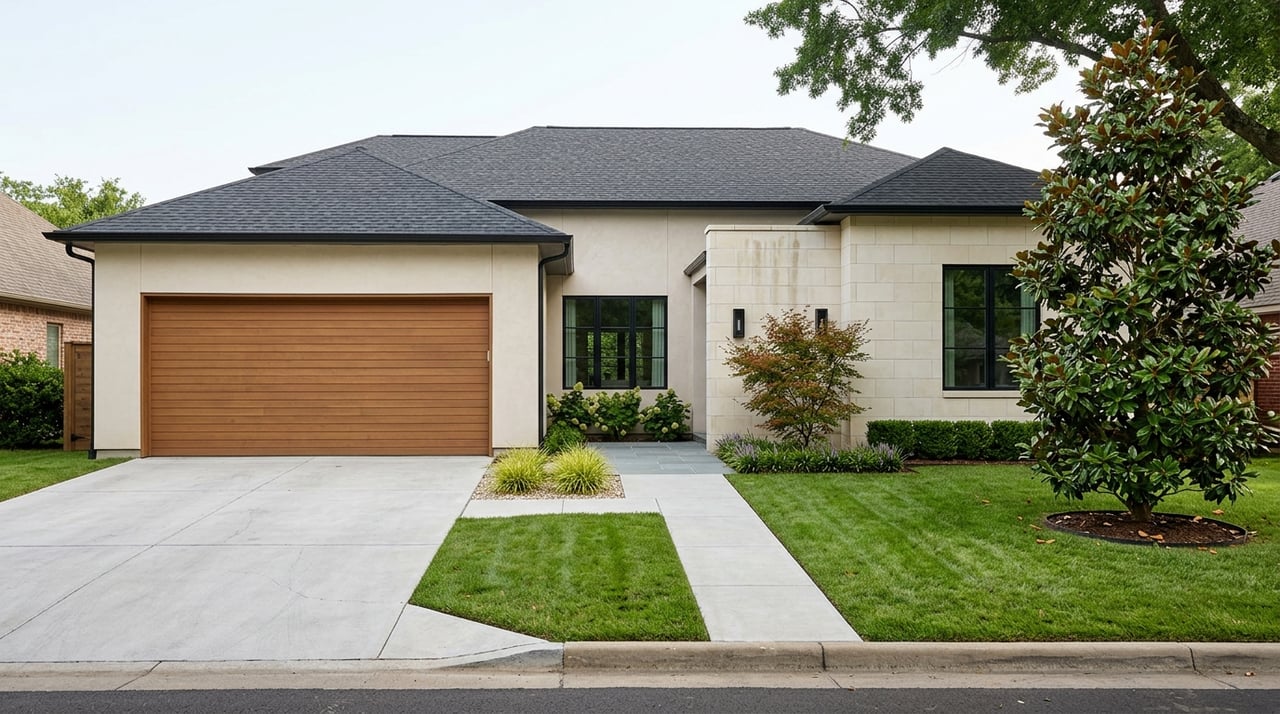
Detached homes dominate many Duluth neighborhoods and fit classic long-term rental strategy. They tend to attract households that want yards, garages and 3 or more bedrooms. If your goal is stable tenancy and lower turnover, SFRs in established subdivisions are a strong match.
Townhomes near Sugarloaf and Peachtree Ridge
You’ll find newer attached homes and townhome clusters around Sugarloaf Parkway and the Peachtree Ridge area. These properties often appeal to professionals and small families who want newer construction, modest maintenance and community amenities that help justify higher rents compared to older stock.
Small multifamily and garden-style buildings
Smaller multifamily properties are more common along corridors near Peachtree Industrial Boulevard, I‑85 and the Gwinnett Place and Gas South District area. The employment and event ecosystem supports a steady stream of renters who value convenience and access to service jobs, hospitality roles and convention work tied to the Gas South District.
Where to focus in Duluth
Downtown Duluth and Town Green
Downtown’s walkable core, restaurants and community events help well-located condos, lofts and renovated 1–2 bedroom units command premium attention. Explore the vibe and event cadence on the city’s tourism page at Explore Gwinnett’s Duluth overview. If you target smaller floor plans with updated finishes here, expect strong interest from professionals who value lifestyle and convenience.
Sugarloaf and the Gas South District
This area mixes higher-end single-family neighborhoods with newer townhomes. Proximity to the arena and convention center brings short-term demand spikes during major events and a stable base of hospitality and service employment. For investors, that can translate to reliable absorption for well-presented rentals and predictable renewal interest.
Look by ZIP: 30096 vs. 30097
Housing mix varies by ZIP. For example, ZIP 30096 shows a larger share of multifamily compared to 30097’s stronger single-family presence based on ACS housing characteristics. Review ZIP-level summaries, such as 30096 housing characteristics via ZIP-codes.com, and compare them with 30097 to match your strategy to the local stock and renter pool.
Who rents in Duluth
- Young professionals drawn to newer townhomes and renovated 1–2 bedroom units near job centers and the Downtown core.
- Families seeking access to schools and single-family homes with outdoor space. Duluth is served by Gwinnett County Public Schools; always verify school clusters when marketing to family renters.
- Hospitality, service and event staff who value proximity to the arena and major corridors. Seasonality tied to event schedules can influence timing for listings and concessions.
Underwriting and operating costs
Plan your timeline and exit. Many small investors hold SFRs for 3 to 10 years for appreciation plus rental income, while others pursue shorter renovations with resale under 2 years. Let your financing, risk tolerance and tax plan guide the horizon.
Build a conservative pro forma. Stress-test higher interest rates, allow for 1 to 2 months of vacancy and capture full carrying costs. Include property taxes, insurance, HOA dues if applicable, utilities you might cover, routine maintenance and capital reserves for systems and roofs.
Know your taxes. Property taxes are billed through Gwinnett County. Total cost varies by city and taxing jurisdictions, so confirm current millage before final underwriting using the Gwinnett County Tax Commissioner’s millage page.
Budget for management. Third-party property managers commonly charge about 8 to 12 percent of collected rent, with separate leasing, renewal and maintenance coordination fees. Ask for a full fee schedule and a sample P&L from a comparable unit before you sign.
Follow Georgia rental law. Georgia requires you to return or account for a tenant’s security deposit within 30 days after you regain possession, with specific rules on permissible deductions. Review the statute text at OCGA §44‑7‑34 and consult a Georgia landlord-tenant attorney for lease language and local practice.
A simple 5-step action plan
- Validate comps by street. Start with recent MLS activity and neighborhood sales, then fine-tune with an on-the-ground agent who knows Duluth micro-markets and HOA nuances.
- Set realistic rents. Cross-check your target unit type and ZIP against the latest averages on RentCafe’s Duluth page and active rental listings.
- Confirm taxes and fees. Use the Gwinnett County millage resource to estimate the parcel’s tax bill and budget HOA dues if applicable.
- Map your tenant profile. If you plan to market to families, verify school clusters on Gwinnett County Public Schools. If you target professionals, weigh proximity to job centers and commuting corridors.
- Tighten legal and ops. Have a Georgia attorney review your lease and deposit process, referencing OCGA §44‑7‑34. Interview 2 to 3 local managers for fees, maintenance benchmarks and reporting standards.
Ready to run the numbers, compare ZIPs and tour targeted opportunities in Duluth? Connect with Tommy Nguyen for neighborhood-level comps, clear pricing guidance and a calm, concierge experience from first showing to close.
FAQs
What price range should I expect for Duluth single-family homes?
- Recent provider snapshots place typical SFR prices in the 420 thousand to 520 thousand dollar range, with exact medians varying by platform and ZIP.
What are average Duluth rents by bedroom in 2026?
- RentCafe reports about 954 dollars for studios, 1,446 dollars for 1‑beds, 1,705 dollars for 2‑beds and 2,000 dollars for 3‑beds, with a citywide average near 1,642 dollars.
Which Duluth areas tend to draw renter interest?
- Downtown/Town Green for walkability and lifestyle, Sugarloaf/Gas South for newer homes and event-driven convenience and corridors near I‑85/PIB for multifamily access.
How are property taxes calculated for Duluth rentals?
- Gwinnett County bills taxes using millage rates that vary by city and taxing jurisdictions, so verify the parcel’s current rates during underwriting.
What do property managers typically charge in Duluth?
- Many local and national comparisons show ongoing management around 8 to 12 percent of collected rent plus separate leasing and renewal fees; always request a full schedule.
What is Georgia’s rule for returning a tenant’s security deposit?
- Landlords must return or account for the deposit within 30 days after regaining possession, subject to allowed deductions under state law.