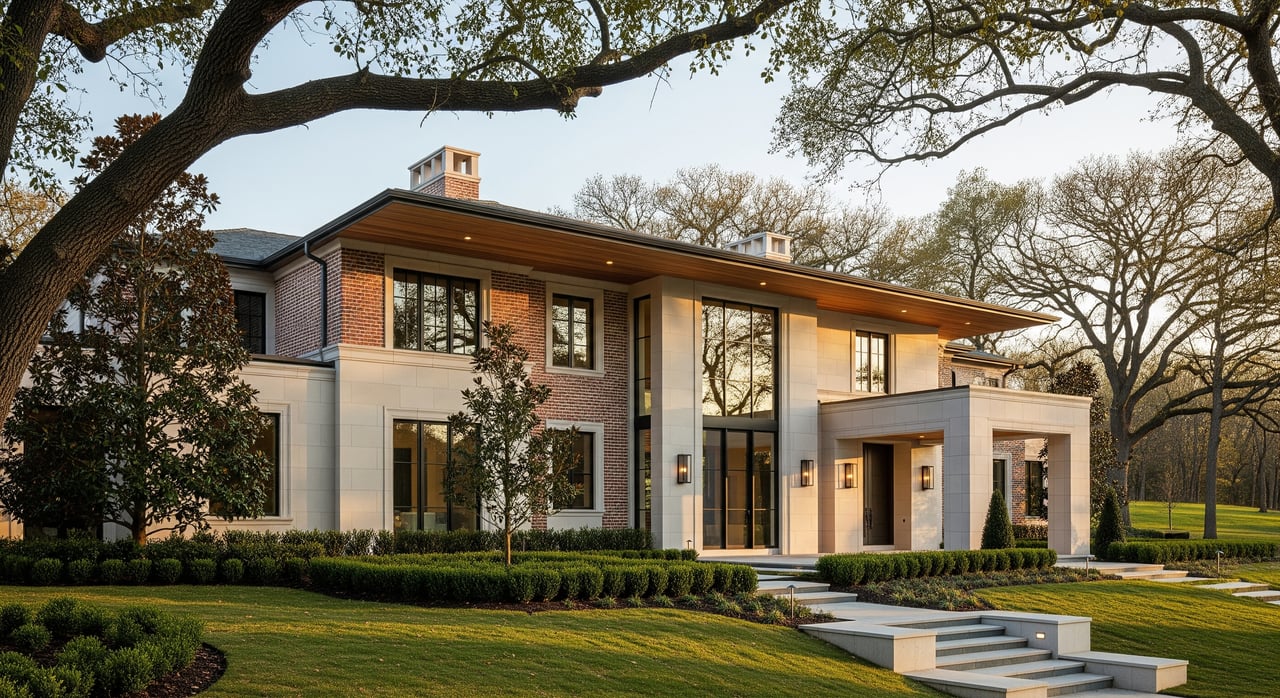
Thinking about tearing down and rebuilding near Chastain Park? You are not alone. Infill lots around the park are in high demand, and many owners choose a custom rebuild to get modern design without giving up the location they love. The financing and permits can feel complicated, but with a clear plan you can move from concept to keys with confidence.
This guide walks you through how construction-to-permanent loans work, how Atlanta’s permitting applies around Chastain Park, what lenders expect from your builder, and the timeline from lot closing to Certificate of Occupancy. Let’s dive in.
Construction-to-perm basics
A construction-to-permanent loan, or C2P, funds your build and then converts to a long-term mortgage when the home is complete. For most owner-occupied teardowns near Chastain Park, a single-close C2P is common. You close once at the start, pay interest only on funds disbursed during construction, and then convert to your permanent loan at completion.
Lenders size these loans conservatively. Many underwrite to a combined loan-to-value or loan-to-cost limit that often tops out around 75 to 80 percent for single-close products. Exact terms depend on your credit, the lot value, and the project budget.
Single-close vs two-close
With a single-close loan, you have one settlement up front. You may lock your permanent rate at closing, your construction draws flow under that loan, and then the loan converts when you finish.
With a two-close approach, you take a separate construction loan and refinance into a permanent mortgage later. This can give you flexibility to shop rates at the end, but it adds a second closing, more fees, and interest rate risk while you build. Many teardown owners prioritize the simplicity and cost control of a single-close.
How draws and interest work
During construction, you typically pay interest only on funds disbursed. Money is released in draws tied to milestones. A common draw schedule for a single-family teardown looks like this:
- Initial closing and builder deposit: 5 to 10 percent of the construction budget
- Foundation and slab: 10 to 15 percent
- Framing: 15 to 25 percent
- Mechanical, electrical, plumbing rough-in: 15 to 20 percent
- Exterior finishes: 10 to 15 percent
- Interior finishes: 15 to 25 percent
- Final punch list and CO retainage: 5 to 10 percent
Many lenders hold back a percentage of each draw or of the final payment as retainage until your final inspection, lien waivers, and Certificate of Occupancy are in hand. Expect an inspection fee each time you request a draw.
Documents needed for each draw
To keep funds moving, plan your documentation ahead of time. Lenders usually expect:
- Current contractor invoice or line-item breakdown
- Partial lien waivers from the general contractor and subs for amounts paid to date
- Progress photos and, if applicable, permit inspection signoffs for that stage
- Builder certification of completed work
- A draw inspection report by the lender’s inspector or a third-party inspector
Maintain a project folder for invoices, waivers, permits, and photos. Lien waiver discipline keeps your loan on track and reduces risk of mechanic’s liens.
Conversion to your permanent loan
When construction is substantially complete, your builder schedules final inspections and the City of Atlanta issues the Certificate of Occupancy. Your lender then collects a short list of items to convert the interim note to the permanent mortgage:
- Certificate of Occupancy or final inspection signoff
- Final lien waivers from all contractors and suppliers
- Final contractor affidavit and release
- Final appraisal or completion inspection
- Updated title evidence showing no new liens
- Proof of homeowner insurance in place
If you locked the permanent rate at your initial closing, that rate takes effect at conversion. Otherwise, your permanent rate is set at conversion. Some lenders charge a modest conversion fee and final appraisal fee, but you avoid a second full closing with a single-close product.
Atlanta permits near Chastain Park
Chastain Park and most nearby neighborhoods fall within the City of Atlanta in Fulton County. Plan your path with these authorities in mind:
- Office of Buildings and Code Compliance for building permits and required inspections
- Department of City Planning for zoning, setbacks, floor area ratio, height limits, and potential variances
- Arborist and Tree Protection for tree surveys, removal permits, and mitigation plans
- Stormwater and Erosion and Sedimentation Control for grading permits and drainage requirements
- Neighborhood HOA or architectural review boards where applicable
Permitting timelines vary by scope and review load. A realistic planning window is 8 to 16 weeks for pre-construction design and permits, especially if tree, stormwater, or HOA reviews apply.
Site constraints to factor in
Lots near Chastain Park often include mature canopy, sloped terrain, and established streetscapes. Expect:
- Tree protection and mitigation: You will likely need a tree survey and a tree protection plan. Removal of significant trees usually requires mitigation plantings or fees.
- Stormwater and impervious surface limits: Drainage plans, on-site detention, or permeable surfaces may be required.
- Zoning envelope: Setbacks, height, and floor area ratio influence the design. Variances, if needed, can add months.
- Demolition permit and abatement: A separate demo permit is required. Older structures may involve asbestos or hazardous material testing and remediation.
- Construction logistics: Narrow streets and limited frontage can require temporary staging or parking permits.
Early consultations with an architect and pre-application conversations with City reviewers help you price and schedule these items correctly.
Choosing a lender-approved builder
Your lender will want confidence in the builder delivering your home. Many maintain approved builder lists or require preapproval. Be ready to provide:
- Builder financials, proof of insurance, references, and a portfolio of similar Buckhead or Chastain Park projects
- Licensing and registration in Georgia, plus local business registration
- Insurance evidence: general liability, worker’s compensation, and builder’s risk coverage
- A detailed, line-item budget with a contingency, plus a list of key allowances and long-lead materials
You should also confirm the builder’s subcontractor network, lien waiver process, and payment practices. Lenders often prefer fixed-price contracts with clear scopes and allowances to reduce risk of overruns.
Contract type and change orders
Two contract structures are common:
- Fixed-price or GMP: More predictable for you and favored by many lenders. Change orders are documented and priced as exceptions.
- Cost-plus: You pay actual costs plus a fee or percentage. This can be suitable for high customization, but you carry more exposure to cost overruns.
Whichever you choose, insist on a clear schedule, a change-order approval process, cost allowances for finishes, and defined warranty terms. Budget a 5 to 10 percent contingency in your construction budget, with more for highly custom finishes.
Example timeline from lot close to CO
A typical custom teardown and rebuild near Chastain Park runs 9 to 14 months. Your exact schedule depends on design complexity, weather, lead times, and permit reviews.
- Lot closing and C2P funding: Day 0
- Design finalization and construction documents: 4 to 8 weeks if plans are nearly complete; 8 to 20 weeks if starting earlier in design
- Permitting and reviews: 4 to 16 weeks, often overlapping with design
- Demolition and site prep: 1 to 4 weeks
- Foundation and utilities: 2 to 6 weeks
- Framing and roof: 3 to 8 weeks
- Rough-ins for mechanical, electrical, plumbing: 3 to 6 weeks
- Exterior finishes and windows: 2 to 6 weeks
- Insulation, drywall, and interior finishes: 4 to 12 weeks
- Flooring, cabinets, trim, paint, and punch list: 4 to 8 weeks
- Final inspections and CO: 1 to 4 weeks
Delays most often stem from tree and stormwater approvals, HOA or design review cycles, and supply constraints on windows, doors, or appliances. Build slack into your plan, especially around permit milestones and critical materials.
Key risks and how to manage them
Every teardown carries risks. A few proactive steps go a long way:
- Tree and environmental: Order a tree survey and meet with an arborist early. Budget for mitigation or replacement plantings.
- Design review and variances: Use an architect experienced in Buckhead infill and prepare complete packages for ARB or variance hearings.
- Stormwater and grading: Engage a civil engineer to design solutions that meet City standards. Consider a pre-submittal meeting.
- Contractor disputes or liens: Use a reputable builder, insist on timely lien waivers at every draw, and keep detailed records.
- Market and appraisal: Align design and finish levels with neighborhood comparables so the final appraisal supports your loan conversion.
Owner checklist for Chastain Park teardowns
Use this as your working list before you break ground:
- Confirm the property is inside the City of Atlanta and identify all permits, overlays, and any HOA approvals required
- Order a current survey and tree inventory before finalizing design
- Get prequalified with lenders experienced in single-close C2P and request preliminary LTV or LTC guidance
- Have your preferred builder preapproved by the lender and finalize a fixed-price contract with a detailed budget and schedule
- Include a 5 to 10 percent contingency and plan for draw inspection and appraisal fees
- Allow 8 to 16 weeks for pre-construction design, reviews, and permits
- Map out the draw schedule and the documentation required for each milestone
- Confirm insurance requirements: builder’s risk, general liability, worker’s comp, and your homeowner policy at conversion
- Know the conversion checklist: CO, final lien waivers, final appraisal, title update, and insurance
- Communicate early with neighbors and HOA about staging, parking, and tree protection
Bringing it all together
A teardown near Chastain Park is a smart way to secure a modern, purpose-built home in one of Atlanta’s most loved neighborhoods. A single-close construction-to-permanent loan can simplify financing, reduce duplicate fees, and protect you from some rate risk. With the right builder, a disciplined draw process, and proactive work on permits and trees, you can control costs and keep your timeline moving.
If you are exploring a teardown or new custom home around the park and want a steady, concierge partner from lot search through CO, reach out. We can help you compare loan paths, vet builders, and plan your roadmap from day one. Connect with Unknown Company to start a conversation today.
FAQs
What is a construction-to-perm loan for a teardown?
- It is one loan that funds construction first and then converts to a long-term mortgage after completion, so you avoid a second closing if you choose a single-close product.
How do single-close and two-close loans differ for Chastain Park projects?
- Single-close offers one settlement and may lock your permanent rate early, while two-close adds a later refinance with more fees but flexibility to shop rates at completion.
What documents do lenders require at each construction draw?
- Expect contractor invoices, partial lien waivers, progress photos, and a draw inspection report, along with any relevant permit inspection signoffs for that stage.
What is required to convert to the permanent mortgage in Atlanta?
- You will provide the Certificate of Occupancy, final lien waivers, a final contractor affidavit, updated title evidence, and a final appraisal or completion inspection.
How long does a Chastain Park teardown and rebuild typically take?
- Many projects finish in 9 to 14 months from closing to CO, with design, permits, and supply lead times being the most common schedule drivers.
How much cash or equity do I need for a single-close C2P loan?
- Lenders often underwrite to a combined LTV or LTC of about 75 to 80 percent, so plan for meaningful equity or down payment plus closing costs and a contingency fund.
Will my permanent mortgage rate match my construction rate?
- Construction interest is usually variable and interest-only. Your permanent rate may be higher, unless you lock it at the initial single-close, in which case it takes effect at conversion.